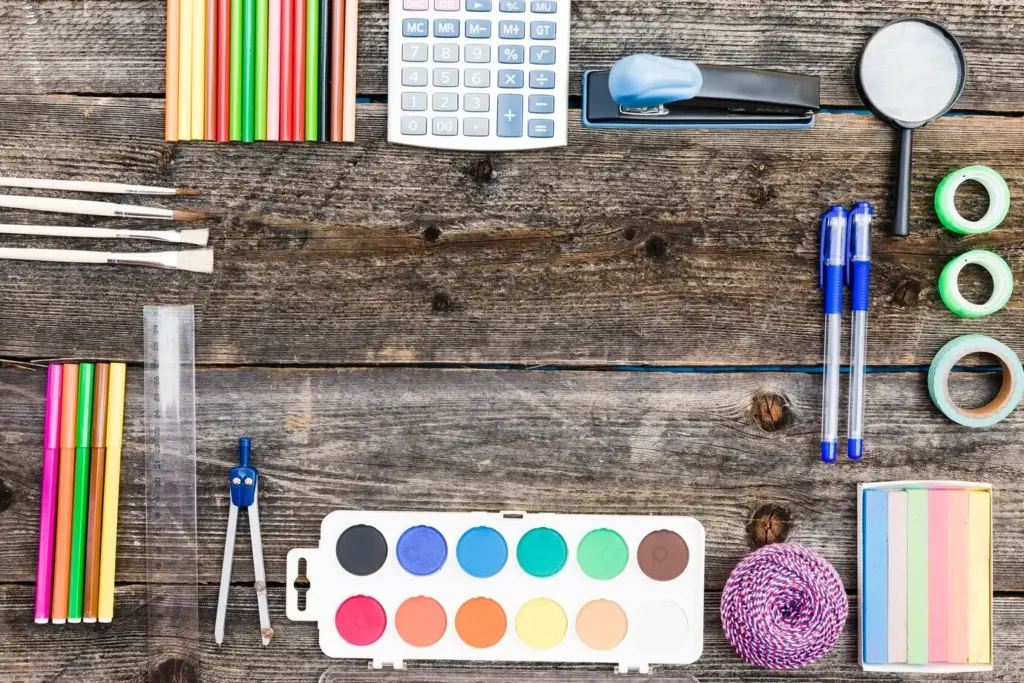
Make Big Things On A Small Table

Pull up a chair and open the door to the Kitchen Table Makerspace, where creativity sits beside the salt shaker and ambitious ideas grow between meals. We’ll show how to turn limited space, common tools, and everyday materials into surprisingly polished builds you can start tonight.

Getting Started With Everyday Tools

Your kitchen table already hides more capability than you think. With a mindful setup, a simple routine, and a small stash of multi-use tools, you can prototype practical solutions without a garage, specialized benches, or expensive gear. Let’s shape a routine that respects dinner time while fueling meaningful experimentation.

Materials You Already Own

Before you buy anything, raid your recycling bin. Cardboard, jar lids, chopsticks, rubber bands, cereal boxes, and delivery air pillows can become durable prototypes. Understanding grain direction in corrugated board, friction-fit joinery, and tape hinges unlocks astonishingly sturdy, testable models with near-zero cost and minimal mess.

Cardboard Engineering

Orient corrugation for strength: vertical flutes support weight, horizontal flutes curve smoothly. Score lightly before folding to avoid fuzzy edges. Laminate layers with thin glue stripes and alternate grain directions for stiffness. Reinforce corners with triangle gussets cut from box flaps to dramatically increase load capacity quickly.

Plastic and Metal Salvage

Repurpose jar lids as rotating platforms, Altoids tins as micro enclosures, and paper clips as springy linkages. Drill lids slowly with a hand twist bit, protecting the surface with tape. Sandwich thin plastics between cardboard to prevent cracking, and use binder clips as clamps while adhesive cures reliably.

Design First, Then Build

The One-Mug Blueprint

Limit sketches to the footprint of a coffee mug, forcing clarity and scale awareness. Annotate only critical dimensions and interactions. When ideas spill beyond the circle, start a new page. This playful constraint reduces overwhelm, keeps ambition realistic, and preserves momentum when interruptions inevitably pop up.

Paper Prototype Sprint

Limit sketches to the footprint of a coffee mug, forcing clarity and scale awareness. Annotate only critical dimensions and interactions. When ideas spill beyond the circle, start a new page. This playful constraint reduces overwhelm, keeps ambition realistic, and preserves momentum when interruptions inevitably pop up.

Feedback Over Dinner

Limit sketches to the footprint of a coffee mug, forcing clarity and scale awareness. Annotate only critical dimensions and interactions. When ideas spill beyond the circle, start a new page. This playful constraint reduces overwhelm, keeps ambition realistic, and preserves momentum when interruptions inevitably pop up.

Safety, Cleanup, and Respect

A shared household surface demands care. Separate food and fabrication rigorously, control dust, manage sharp tools, and choose low-odor adhesives. Rapid cleanup, predictable schedules, and courteous communication keep creativity welcome. With a few strong habits, you’ll build confidently without sacrificing cleanliness, meals, or the peaceful rhythms everyone values.

Food-Safe Boundaries

Always deploy a dedicated cutting mat or sacrificial board and a silicone placemat perimeter to catch debris. No solvents near food. Use water-based glues when possible, and ventilate steadily. After each session, wipe surfaces with mild soap, then stow materials in sealed bins labeled clearly and consistently.

Tiny Hands Protocol

If children share the space, implement a bright tray labeled SAFE PARTS and a separate, lidded box for SHARP or HOT. Tools return to storage immediately after use. Narrate safety steps aloud, model glove and goggle use, and invite supervised participation through simple, confidence-building tasks they can manage safely.

Quiet-Time Finishing

Choose quiet methods after bedtime: scoring instead of sawing, hand drilling with a pin vise, sanding with fine blocks wrapped in cloth. Slow techniques deliver precision and respect neighbors. Queue noisy steps for daytime or outdoors, and maintain a project log to resume effortlessly without rework or confusion.

Inspiring Weekend Projects

Here are approachable builds designed for a single table, minimal tools, and delightful results. Each project fits between meals, packs away neatly, and teaches a transferable technique. Start with one, share your progress photos, and celebrate clever improvisations that adapt instructions to your household’s unique pace and personality.

Five-Minute Show-and-Tell

After dinner, place your latest prototype at the center, share one success, one snag, and one next step. Timebox discussion to five minutes. This light ritual maintains enthusiasm, invites fresh eyes, and normalizes iteration as an everyday habit rather than an intimidating, perfection-driven performance unnecessarily heavy or stressful.

Swap-Box Challenge

Pack a shoebox with surplus parts and leave it on a neighbor’s doorstep with a friendly note. They take what inspires and add something useful. Share results online. The rotating box spreads materials, ideas, and kindness, proving resourcefulness grows fastest where generosity and curiosity circulate freely and openly together.

Newsletter and Workshop Invite

Join our weekly email for bite-sized builds, printable templates, and gentle accountability. Reply with photos or questions, and we’ll feature inventive solutions. When schedules align, pop-up kitchen table sessions welcome newcomers, celebrate progress, and turn ordinary evenings into playful laboratories where small experiments steadily become memorable, practical achievements.
Jacksbuilders
Privacy Overview

This website uses cookies so that we can provide you with the best user experience possible. Cookie information is stored in your browser and performs functions such as recognising you when you return to our website and helping our team to understand which sections of the website you find most interesting and useful.