Build Big Ideas in Small Spaces
Welcome! Today we’re diving into portable maker kits for small apartments and the art of building a pop-up home workshop that folds away between projects. Expect clever storage, quiet tools, safer airflow, and fast setup rituals. Whether you’re shaping wood, crafting electronics, or fixing household gear, you’ll find practical, neighbor-friendly strategies that protect your floors, respect quiet hours, and unlock surprising capability in just a few minutes of setup.
Space-Savvy Foundations for a Foldaway Workshop
Before buying gear, understand your layout, tolerances, and daily rhythms. Measure door swings, airflow paths to windows, and reliable power outlets. Use painter’s tape to mark a quick setup footprint, test a walk-around path, and plan light placement. Protect floors with interlocking mats, track vibration points, and identify safe staging for lumber. These habits create a repeatable, stress-free routine that fits alongside cooking, relaxing, and sleeping without lingering messes or frustration.
Map Your Micro Footprint
Lay painter’s tape to outline bench space, tool swing zones, and a dedicated dust corridor straight to a window. Note tripping hazards, rug edges, and where sunlight or task lamps help delicate work. Measure power cord reach, vacuum hose arcs, and safe clamp clearance on tabletops. A taped footprint becomes a reliable ritual, reducing guesswork and saving precious minutes every time you pop the workshop open and closed.
Choose a Foldable Bench That Works Hard
Select a folding table or sawhorse pair with a compact torsion-box top for rigidity, clamping edges, and quick alignment marks. Add a removable cutting surface that sacrifices itself, preserving kitchen counters. Prioritize stability, height adjustability, and a carrying handle. Test wobble under side load, simulate sanding vibration, and verify it stores vertically behind a door. A hardworking foldable bench transforms any corner into a predictable, safe, and repeatable workspace.
Power, Noise, and Vibration Planning
Apartments share circuits and walls, so plan loads and sound pathways. Use rubber anti-vibration pads under the bench, and soft feet on vacs. Keep extension cords appropriately gauged, avoid daisy-chaining power strips, and know which outlets trip breakers when the microwave runs. Monitor noise with a simple phone decibel app. With a few preventive measures, you’ll run tools confidently during reasonable hours without surprises, arguments, or blown fuses mid-cut.
The Essential Portable Kit: Tools That Pack and Perform
A nimble kit favors multi-function tools, reliable battery platforms, and accessories that nest into stackable crates. Think oscillating multi-tools, trim routers, compact drills, folding squares, and a small HEPA-capable vacuum. Keep consumables organized in labeled pouches with color codes. Favor quiet, dust-friendly operations and water-based finishes. With mindful selection and modular cases, you’ll assemble versatile capability that lifts out fast, performs precisely, and disappears before dinner starts steaming on the stove.
Storage That Disappears When Dinner Starts
Great apartment making is ninety percent packing strategy. Use stackable crates with lids, shadow-foam silhouettes for quick tool checks, and QR labels linking to contents and maintenance notes. Split heavy items across boxes for manageable lifts. Employ color coding by task: cutting, fastening, measuring, finishing. Stash long pieces under beds or behind wardrobes using soft edge guards. When every case nests and rolls, teardown becomes satisfying instead of a late-night chore.
Stackable Crates With Visual Control
Shadow foam traced around each tool reveals what’s missing at a glance, preventing lost bits in couch cushions. Transparent lids help identify kits without opening everything. Add side handles, a rolling dolly, and corner bumpers for hallway travel. Keep silica gel packets with steel tools. This visual system reduces mental load, speeds packing, and protects investments, allowing more creative time and fewer maddening hunts for that one irreplaceable hex key.
Vertical Solutions on Doors and Walls
Over-the-door organizers, removable adhesive hooks, and clamp-on shelves transform forgotten real estate into practical storage without drilling. Mount a lightweight French-cleat board that lifts down whole if needed. Use tension poles between floor and ceiling for tool holders. Keep frequently used items at eye level, heavier bins low, and rare pieces up high. Landlord-friendly hardware preserves deposits, while vertical access keeps living areas tidy and instantly convertible back to relaxing space.
Under-Bed and Sofa Roll-Outs
Build low-profile rolling trays sized to your bed frame, with locking casters and handles on both ends. Soft bins cushion delicate tools; moisture absorbers guard finishes and abrasives. Color code tray edges for fast identification in dim light. Establish a left-to-right packing order so teardown becomes automatic. A smooth roll-out reveals everything at once without lifting heavy totes, keeping your back happy and your living room clear for guests or yoga.
Safety, Ventilation, and Neighbor-Friendly Habits
A peaceful building routine respects lungs, ears, wiring, and neighbors. Favor negative-pressure airflow to a window, choose water-based finishes, and schedule louder operations for agreeable hours. Track power draw across shared circuits, keep an ABC extinguisher visible, and store oily rags in a lidded metal can. Communicate kindly with a hallway note on project times. A courteous, prepared maker gains goodwill, invitations to borrow space, and fewer interruptions when inspiration strikes.
Five-Minute Unfold Procedure
Wheel in crates, deploy mats, unfold the bench, and lock legs. Clamp a sacrificial top, set a square to confirm bench alignment marks, and plug in a single power strip with vacuum first. Place tools in labeled parking spots, test extraction with a brief cut, and confirm window fan airflow. This predictable order removes friction, makes mistakes less likely, and gets you making before momentum evaporates into indecision or scattered searching.
Batch Smarter, Finish Faster
Group loud, dusty processes together while daylight and neighbors’ tolerance are highest. Then switch to assembly, routing, or finishing when quiet is expected. Label parts with painter’s tape and marker codes, and stack subassemblies on spacers for airflow. This batching rhythm shortens context switching, prevents constant tool changes, and reduces setup fatigue. You will notice projects crossing the finish line more consistently while your apartment remains calm, breathable, and welcoming.
Cleanup That Leaves Zero Trace
Line the bench with butcher paper before starting, then burrito-wrap chips and dust for easy disposal. Vacuum surfaces systematically from high to low, sweep corners, and wipe with a slightly damp microfiber to catch fines. Cap finishes tightly, vent the room, and coil cords neatly. Finally, roll crates back by category. In fifteen minutes, the space feels like a living room again, with no lingering grit underfoot or mystery odors hovering.
A Setup Ritual That Pops Up in Minutes
Speed comes from repetition and thoughtful sequence. Stage crates by task order, unfold the bench, drop floor mats, and connect the vacuum before any cutting starts. Use colored tape on the benchtop showing clamping lanes, tool parking, and finish-drying zones. Keep a laminated checklist clipped to a crate. Teardown reverses cleanly, ending with a quick floor sweep and filter check. The ritual protects energy, deadlines, and the vibe of your home.

Balcony Planter Box in a Rainy City
Using cedar offcuts and stainless screws, a reader built a planter on a drizzly Saturday. They routed edges indoors, then applied water-based varnish during a dry window near an open fan. Neighbors noticed the greenery and asked questions, leading to shared seed swaps and borrowed tools. The foldable bench held steady against gusts, and teardown took eight minutes. That small build sparked a season of balcony harvests and gentle hallway conversations.

Kitchen Table CNC Afternoon
A tiny 3018 CNC, enclosed inside a clear storage bin with a shop-made spoilboard, carved custom key hooks while lunch simmered. Noise stayed neighbor-friendly, verified by a phone meter. Chip control was handled by a miniature vacuum hose fed through a grommet. The maker learned feeds and speeds on soft pine first, then upgraded to bamboo for crisp edges. Everything slid back into a crate before dinner plates touched the table.
Pop-Up Repair Night for the Building
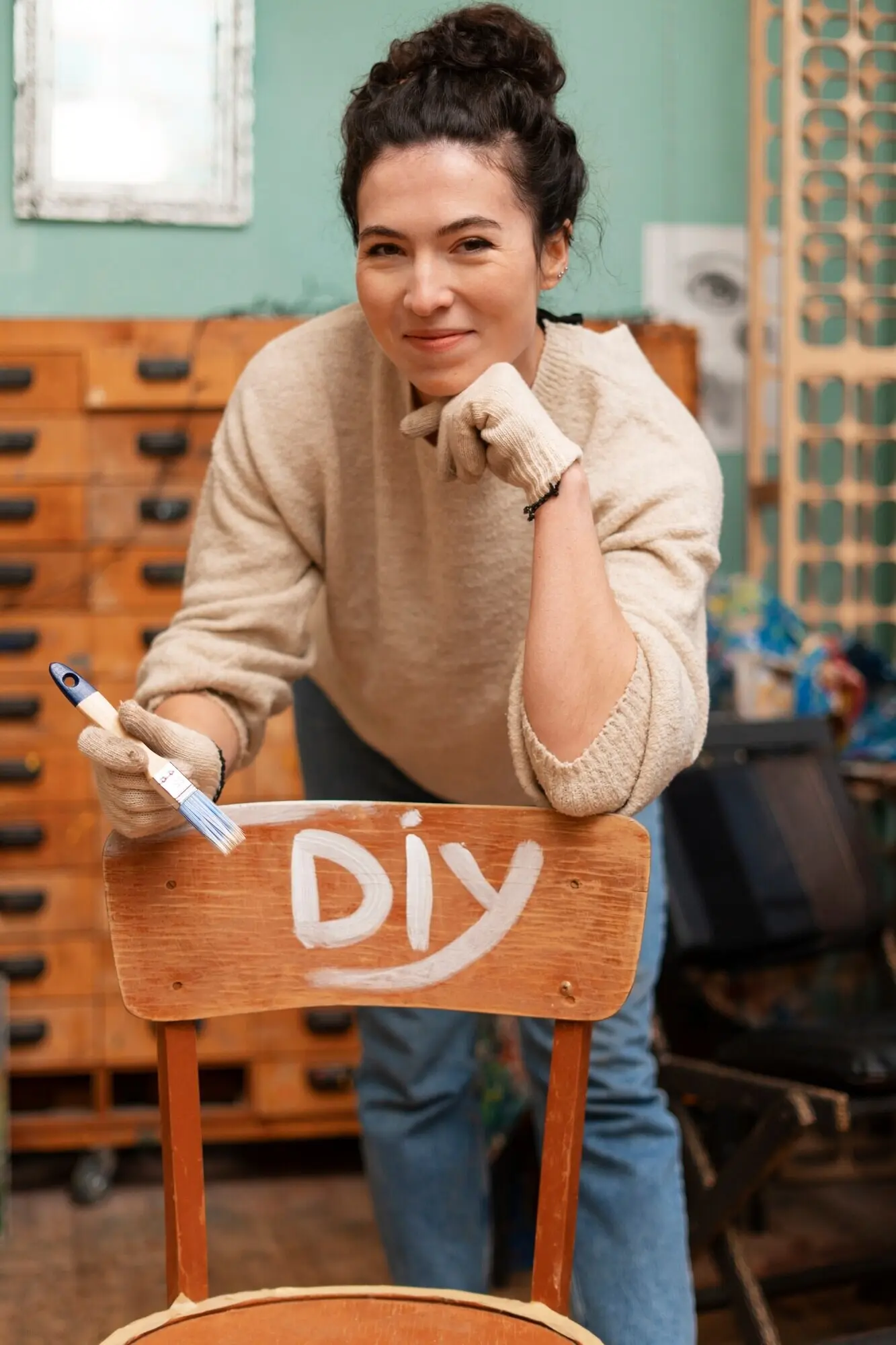
A weekend note invited neighbors to bring squeaky stools and loose handles. With pads under the bench and a quiet drill, fixes happened quickly. Someone offered access to a storage room for occasional bigger projects, and another lent a miter saw for daytime use. A simple sign-up sheet tracked requests, while tea and cookies kept spirits high. The evening ended with gratitude, polished hinges, and a building that felt a little closer.