Make Space in Minutes, Not Hours

Welcome! Today we explore Rapid Setup and Teardown Routines for Shared Living Spaces, turning small rooms into flexible, welcoming zones in minutes. You will learn simple habits, grab‑and‑go kits, and unmistakable signals that help roommates, families, and co‑livers switch between cooking, working, playing, and resting without friction or guesswork. Expect practical checklists, playful rituals, and stories that prove speed and respect can comfortably share the same address every single day.

The Five-Minute Reset Mindset

Define Zones in Seconds
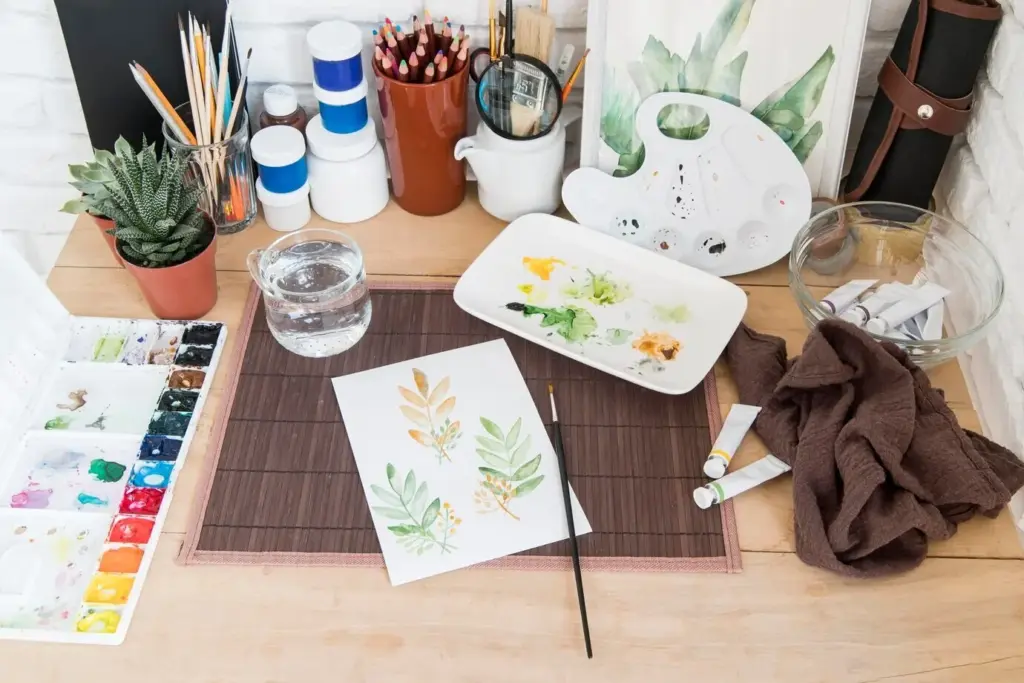
Name three uses for the room and pick one signature action for each—lay the table runner for meals, open the laptop stand for work, roll out the yoga mat for movement. These tiny gestures declare intent instantly. Once purpose is visible, everyone respects boundaries faster, and teardown becomes obvious. Decisions shrink, energy rises, and transitions feel natural. You stop negotiating and start living, with clarity replacing clutter as the loudest voice.

Pre‑Staged Kits Beat Clutter

When items live together in a caddy or pouch, setup is one lift, not fifteen trips. Place the kit where it starts and ends—the cooking caddy near the stove, the study bundle by the table. Label boldly, test frequently, and prune relentlessly. Kits prevent drift, limit clutter spread, and reward the habit of resetting because completion feels concrete. One handle, one destination, one quick victory, repeatedly reinforcing trust among everyone who shares the space.

Visual Cues That Trigger Action

Humans respond to signals faster than instructions. Choose a bright tray for active items, a neutral bin for returns, and a dedicated hook for anything temporarily out. Add a short cue card right on the tray reminding the closing steps. These cues invite participation without nagging, reduce decision fatigue, and make the desired action the easiest choice. Over time, the room practically teaches itself, turning speed into muscle memory instead of constant reminders.

Grab‑and‑Go Toolkits That Do the Thinking
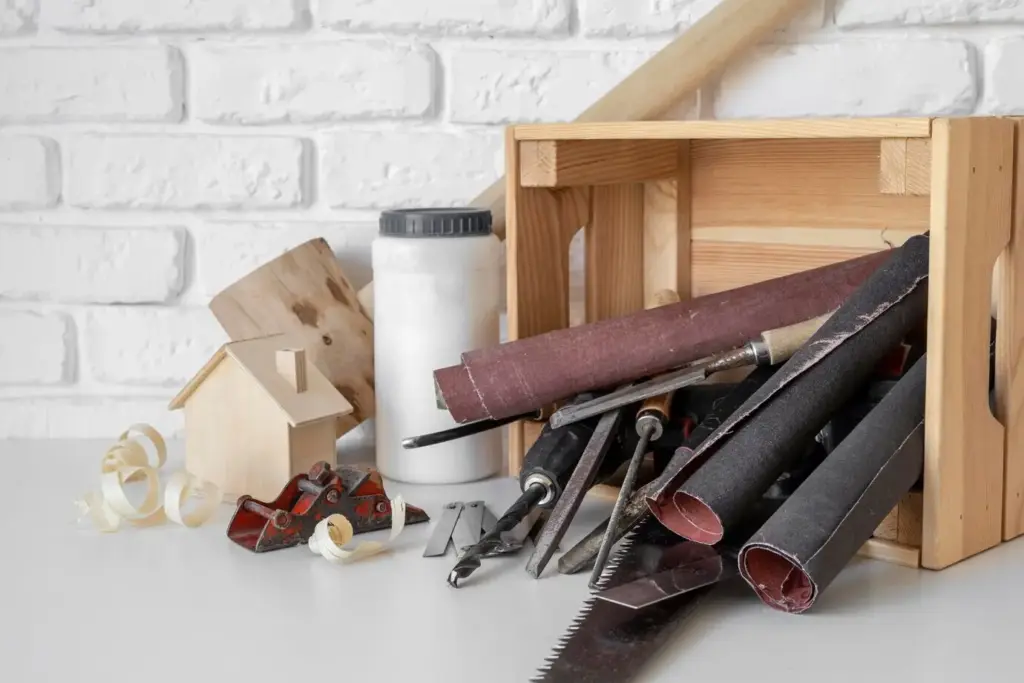
A great kit removes thinking from the busiest moments. Each toolkit should include exactly what you need, in the order you use it, packed to move safely and stored where motion begins. Color coding and tactile differences help anyone pick correctly even when half‑asleep or rushing. Keep duplicates minimal, organize by sequence, and rehearse the pack‑up until it feels like a single gesture. The result: fewer delays, calmer starts, and faster, friendlier handoffs.

Foldables, Rollables, and Nesting Magic

Choose furniture that compresses: nesting tables, folding benches, and rolling carts with locking wheels. Their strength is not only space‑saving but ceremony—unfolding and locking signals intent, unlocking signals closure. Store vertically to shrink visual noise. Practice a thirty‑second deployment and a one‑minute return so even guests can participate. Soon, activity changes feel like scene changes, crisp and almost theatrical, inviting people to contribute because the steps are obvious and pleasingly reversible.

Rugs, Light, and Lines to Signal Purpose

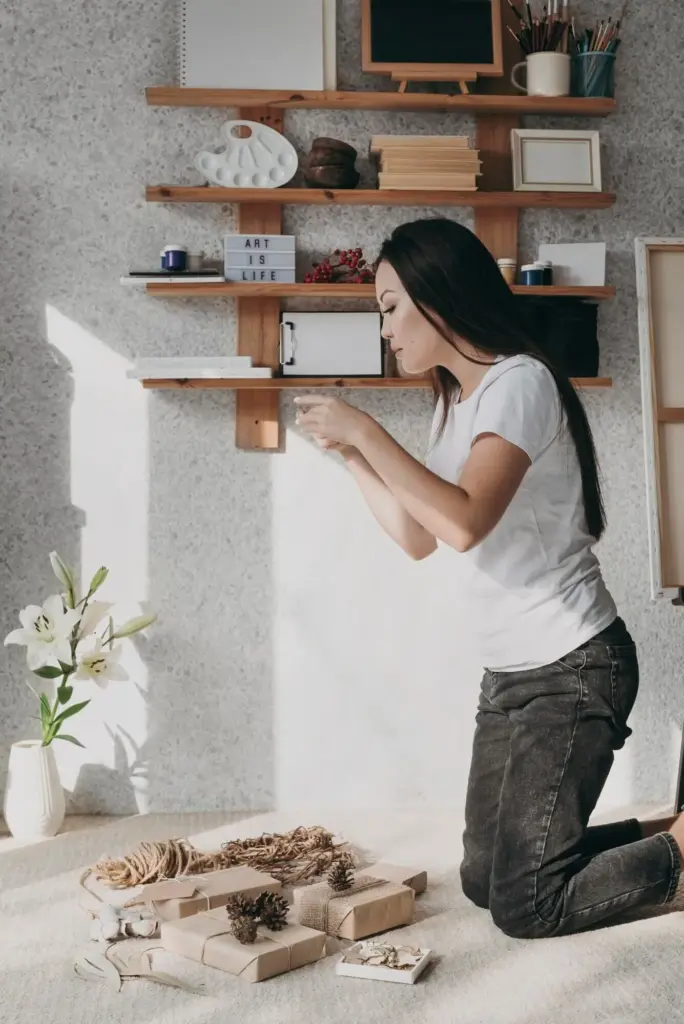
A small rug, a clip lamp, and a taped edge can proclaim a zone faster than a conversation. Keep a low‑tack tape roll for temporary boundaries and a dimmable lamp for focus. When the rug rolls out and the light shifts, people intuitively avoid crossing. At teardown, roll, click off, and strip tape without residue. These lightweight cues protect harmony, reduce interruptions, and communicate respect better than any wall, policy, or complicated calendar invite.

Sound and Scent Anchors to Prime Behavior

A short sound cue, like a distinct chime, can mark start and end without shouting. For cooking, a citrus spritz says fresh and done; for work, a subtle peppermint stick can support focus. Keep anchors gentle and consensual, avoiding allergies or overload. Over time, these senses whisper context, helping habits start quickly and end cleanly. When the final chime plays, hands move automatically, kits return, and the room exhales, ready for the next scene.

Rituals, Timers, and Playlists That Accelerate Transitions

Rituals reduce friction by scripting the first and last ninety seconds of any activity. Timers create shared expectations, while playlists energize action without micromanagement. The best rituals are visible, brief, and repeatable by anyone—even a guest. They remove debates about timing, convert nagging into beats and checkmarks, and give every reset a satisfying finish. With practice, these micro‑ceremonies feel natural and respectful, turning turnover into a lively rhythm instead of a chore.

Agreements That Keep Peace and Momentum

Great routines rely on clear agreements that reduce friction without policing. Decide how long surfaces can host projects, what signals mean, and where kits live when dormant. Choose language that invites participation rather than blame, and revisit agreements monthly. When rules are visual, brief, and flexible, they survive busy weeks and visiting relatives. The payoff is a home where everyone feels seen, speed is collaborative, and resets happen because trust is built right into the process.

Signal System: Green, Yellow, Red

Use colored magnets, cards, or clips on the fridge or a wall rail. Green means free to use, yellow means active project with a clear end time, red means reserved for a scheduled event. Signals prevent last‑minute surprises and long explanations. They invite negotiation before conflict and help visitors understand the house rhythm quickly. Because the system is visible and simple, it scales across roommates, families, and guests without requiring group chats or complicated calendars.

Fair Queues for Shared Surfaces

Create a simple queue for the dining table or desk using name tags with time windows. A dry‑erase slot board or sticky notes do the job perfectly. When someone needs extra time, they propose a swap in advance, not at teardown. Fair queues protect dinners, deadlines, and harmony. They keep urgency honest, give quieter voices a fair turn, and convert potential arguments into predictable exchanges supported by a written plan everyone can see.

The 48‑Hour Project Cradle

For ongoing projects, dedicate a labeled bin or lidded tray that can live under a bed or on a top shelf, with a hard forty‑eight‑hour window on public surfaces. The cradle protects momentum without monopolizing space. At the deadline, the project returns to the cradle, preserving pieces and goodwill. This small constraint prevents spread, changes habits gently, and proves that respect and productivity can coexist when storage and time limits cooperate gracefully and consistently.

Real Homes, Real Wins, and Your Turn

Roommates Who Host Breakfasts Without Chaos

Three roommates wanted quick weekday breakfasts. They built a breakfast caddy with oats, bowls, spoons, kettle, and a heat mat. A three‑song morning playlist timed setup and cleanup. The dining table stayed open by eight‑thirty, tensions evaporated, and late sleepers still felt welcome. The secret was not enthusiasm but choreography. They protected evenings by prepping the caddy at night, proving that little routines carry huge emotional weight when mornings are compressed and patience is thin.

Parents Reclaim Evenings After Building Forts

A family loved elaborate blanket forts but dreaded the mess. They introduced a bright storage cube labeled Fort Kit and a ninety‑second teardown checklist sung to a silly tune. The kids placed clips, blankets, and string lights back like a game. By seven‑thirty, the living room returned to adult mode, and bedtime softened because closure felt playful, not punitive. The result was less negotiation, more laughter, and a habit that survived even exhausting Thursdays.

Share Your Reset Time and Join the Experiment

We invite you to try a five‑minute reset tonight and report your result in the comments. How long did setup take? What kit helped the most? Which cue worked? Post photos, tag your timer, and subscribe for monthly prompts. Your story—messy or polished—will help others refine their approach. Together, we are building a living library of quick wins that honor shared spaces, protect relationships, and multiply comfort without money, drama, or renovations.
Jacksbuilders
Privacy Overview

This website uses cookies so that we can provide you with the best user experience possible. Cookie information is stored in your browser and performs functions such as recognising you when you return to our website and helping our team to understand which sections of the website you find most interesting and useful.